
How to Choose the Right UAE Free Zone
The UAE has numerous free zones designed around different industries and business activities. The UAE Government states that free zones support sectors including retail, agritech, health, FinTech, logistics, media and ICT.
This means choosing a free zone should begin with the business itself rather than simply comparing licence prices.
1. Start With Your Business Activity
The first question is: What will your company actually do?
Your activity can determine the type of licence and approvals required.
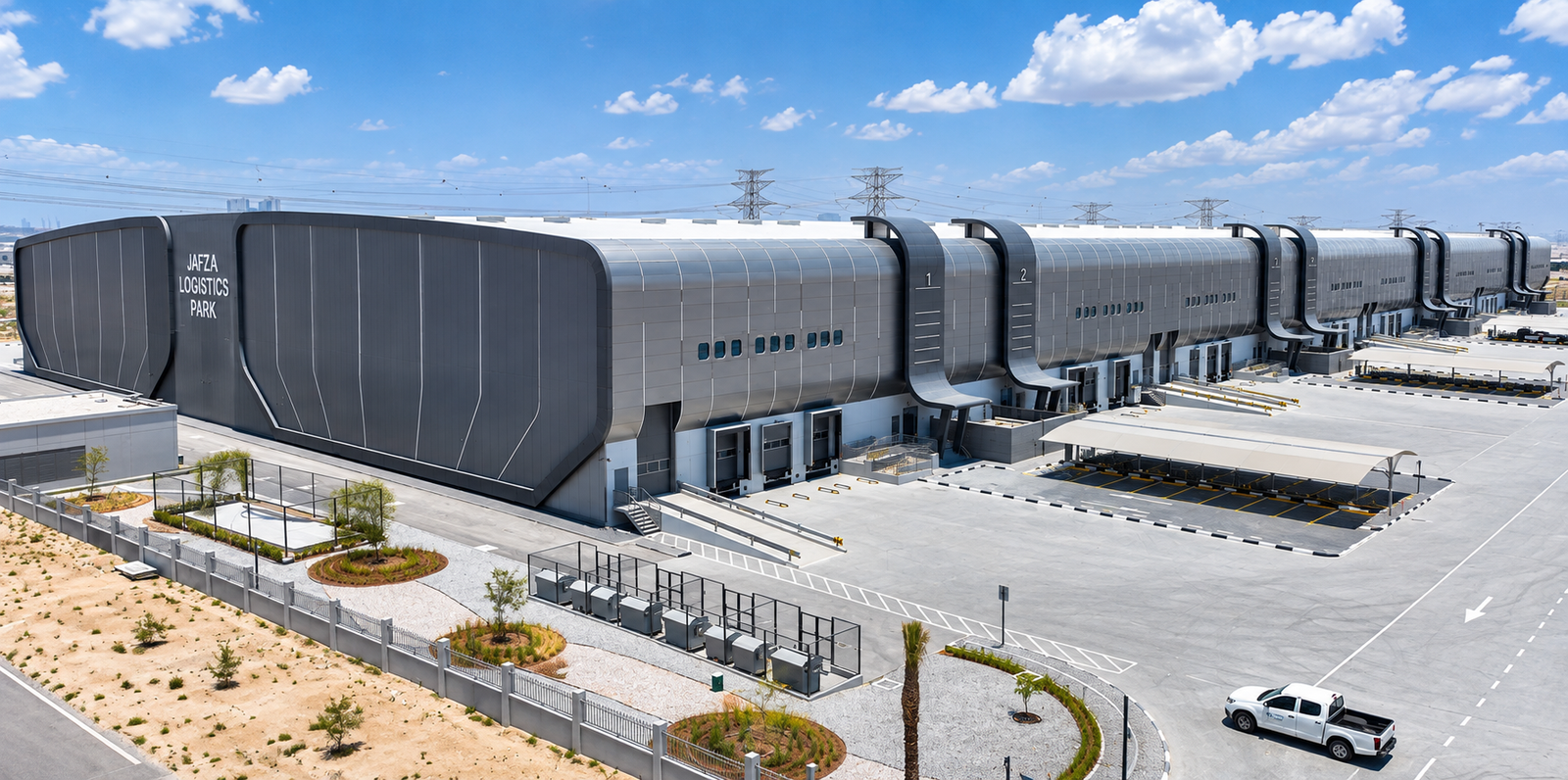
For example, a technology business may look for a technology-focused ecosystem, while a logistics or trading company may prioritise access to airports, ports, warehouses and transport infrastructure.
The UAE Government confirms that the type of business licence depends on the nature of the business activity.
2. Check the Licence Type
Free zones issue licences according to the activities businesses intend to conduct.
Depending on the jurisdiction, options can include commercial, industrial, professional, service, e-commerce or other specialised licences.
Before applying, businesses should confirm that the intended activities are permitted under the selected free zone's licensing structure.
3. Consider Location
Location can directly affect business operations.
A trading or logistics company may prioritise proximity to airports, seaports and major road networks. A technology company may place greater importance on access to technology businesses, talent and business infrastructure.
The UAE Government describes free zones across different emirates and sectors, giving businesses options based on their operational requirements.
4. Review Office and Facility Requirements
Not every business needs the same type of premises.
Depending on the activity, a company may need:
- Flexi-desk or shared workspace
- Standard office
- Warehouse
- Industrial facility
- Land for development
- Specialised facilities
The UAE Government notes that free-zone authorities provide office solutions and that businesses can buy or lease office space depending on the relevant free zone and requirements.
5. Understand the Total Setup Cost
Do not compare free zones using only the advertised licence price.
The overall cost may include:
- Licence fees
- Registration fees
- Office or facility costs
- Visa-related costs
- Establishment-related fees
- Additional approvals
- Other authority charges
The actual cost depends on the company's activity and requirements.
6. Consider Tax and Compliance
Free zone status does not mean that a company is automatically exempt from UAE Corporate Tax or VAT.
The UAE Corporate Tax regime applies to free-zone businesses, while a Qualifying Free Zone Person may receive a 0% rate on Qualifying Income subject to the applicable conditions.
VAT treatment also requires separate consideration. Certain free zones are recognised as Designated Zones for specific VAT purposes, but the special treatment does not apply to every transaction.
7. Think About Your Long-Term Requirements
The right free zone should fit not only the company's initial setup but also its expected operations.
Consider whether you may need:
- Additional employees
- More office space
- Warehousing
- Import and export facilities
- Additional business activities
- New licences or approvals
- Expansion into other markets
Final Thoughts
Choosing a UAE free zone is a business decision based on activity, licence requirements, location, facilities, cost and compliance.
Instead of selecting a free zone based on one advertised benefit, businesses should compare the complete operating requirements against what each jurisdiction provides.
The UAE Government's free-zone framework gives businesses multiple options across industries and emirates. The appropriate choice depends on the company's specific business model and requirements.
Government Sources
UAE Government: Starting a Business in a Free Zone
UAE Government: Running a Business in a Free Zone